Frederick Douglass
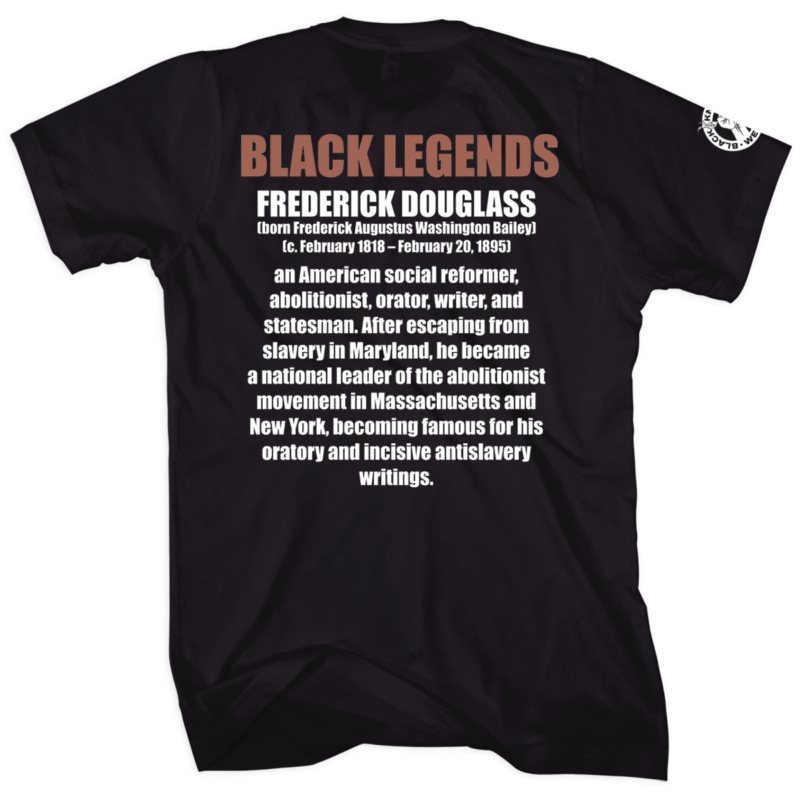
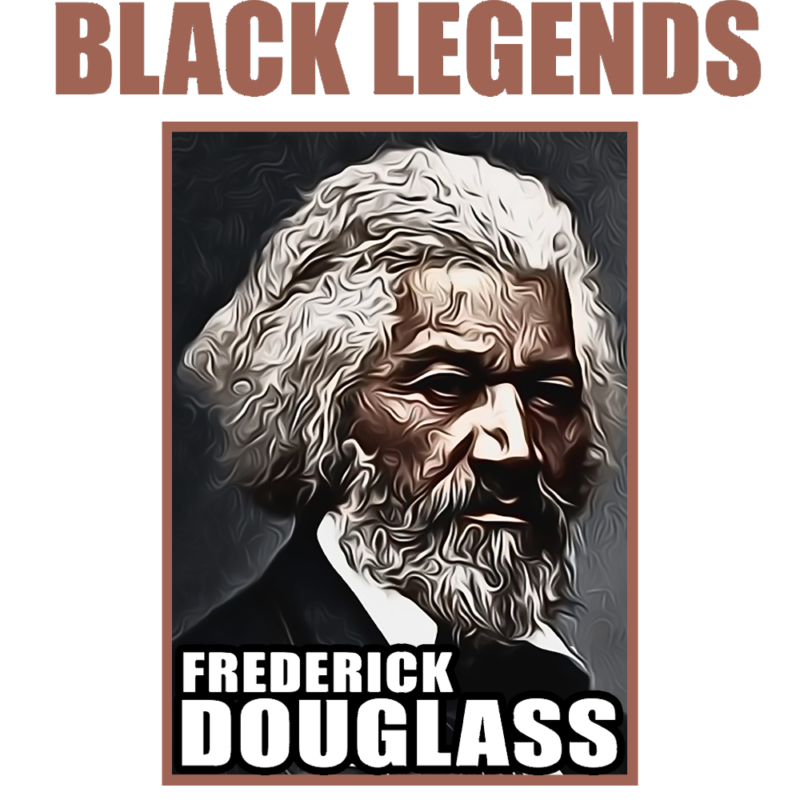
Frederick Douglass was born into slavery in Maryland and endured brutal conditions before escaping to freedom in 1838. Once free, he became one of the most powerful abolitionist voices of the 19th century. His autobiographies provided firsthand accounts of slavery’s violence and psychological trauma, making it impossible for the nation to deny the humanity of enslaved people.
Douglass believed literacy and education were revolutionary tools. At a time when enslaved people were punished for learning to read, he mastered language and used it to challenge political leaders, slaveholders, and the public. His speeches were sharp, moral, and unrelenting, forcing America to confront its contradictions.
Beyond abolition, Douglass fought for women’s rights, civil rights, and equal citizenship after the Civil War. His legacy represents the power of truth, education, and self-determination as foundations for freedom.