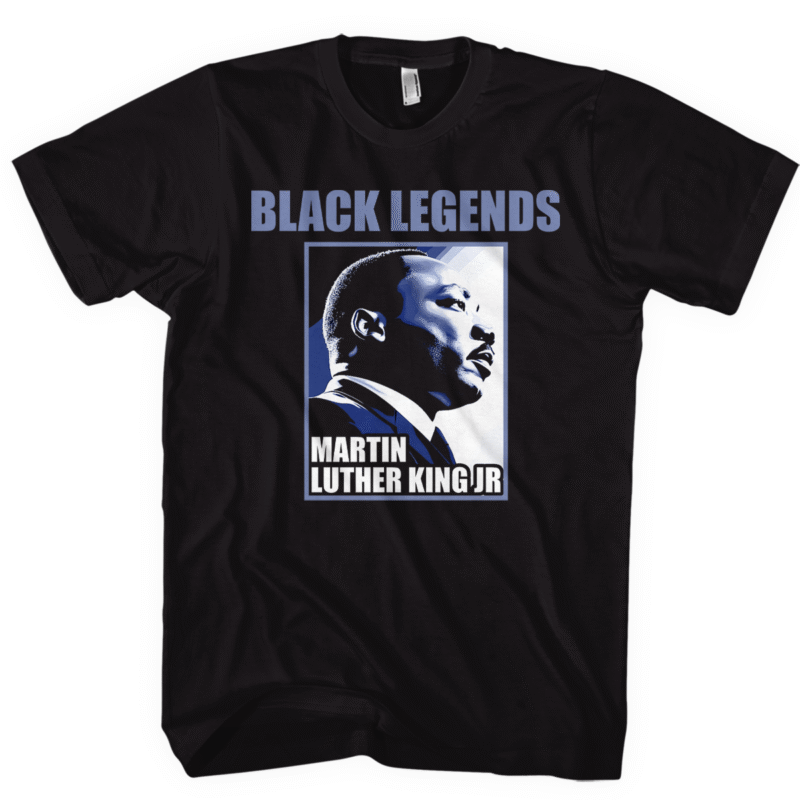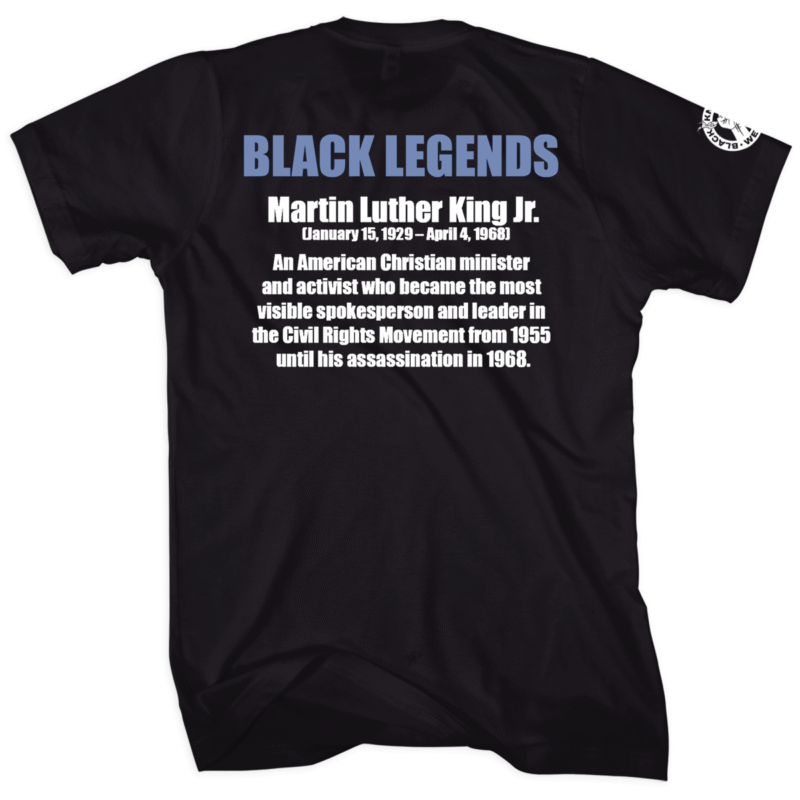
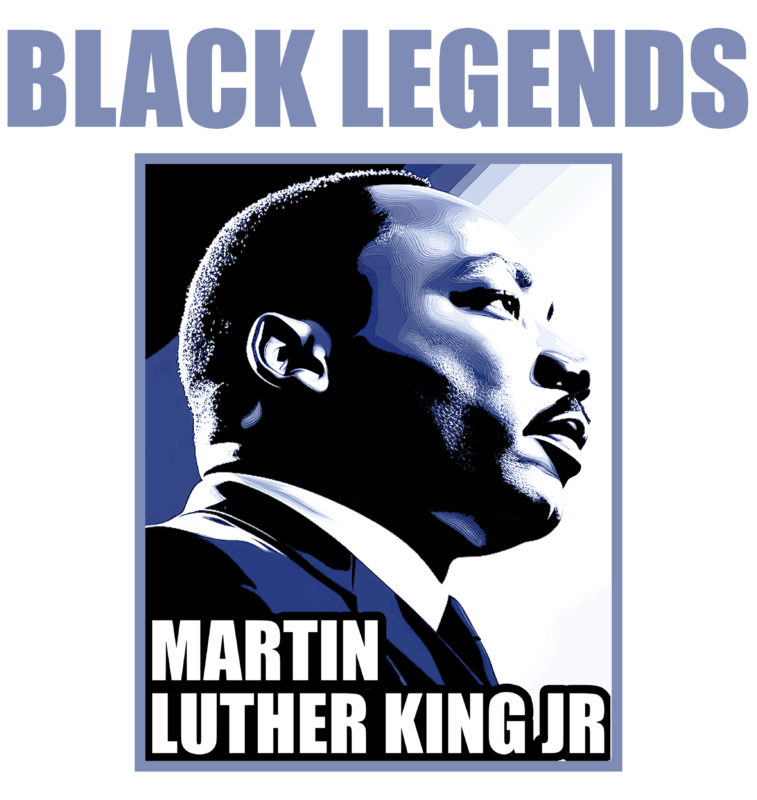
Martin Luther King Jr.
Dr. Martin Luther King Jr. emerged as the central moral voice of the Civil Rights Movement during the 1950s and 1960s. Rooted in Christian theology and the philosophy of nonviolence, he believed lasting change required confronting injustice without becoming consumed by hatred. His leadership helped dismantle legalized segregation and expand voting rights across the nation.
King’s strategy was not passive — it was disciplined and intentional. Through boycotts, marches, and civil disobedience, he forced America to confront the gap between its democratic ideals and its lived reality. His speeches challenged both the conscience and the comfort of the nation.
Later in his life, King broadened his focus to include economic inequality and opposition to war, recognizing that racial justice could not exist without economic and global justice. His legacy continues to shape movements worldwide.